Orthopedic Evaluation Gait Analysis and Manual Muscle Testing
Initial and Followup Sessions
Overview
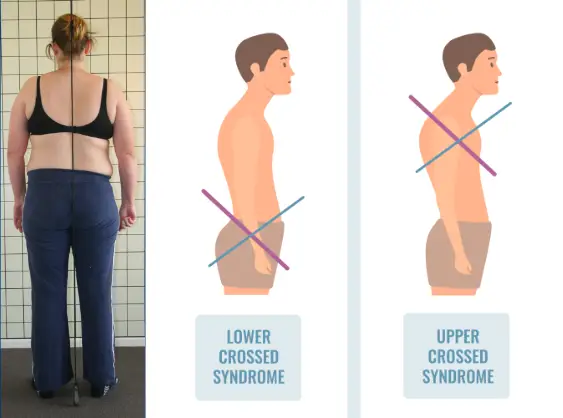
These tests systematically assess your musculoskeletal and nervous system functions. After a comprehensive history review, I use these tests to measure your movement, posture, strength and biomechanics. I also use them to screen for spinal, nerve and muscular injuries.
The results from these assessments lead to a diagnosis and subsequent acupuncture treatment plan.
Muscle Motor Point Stimulation
Initial and Followup Sessions
Overview
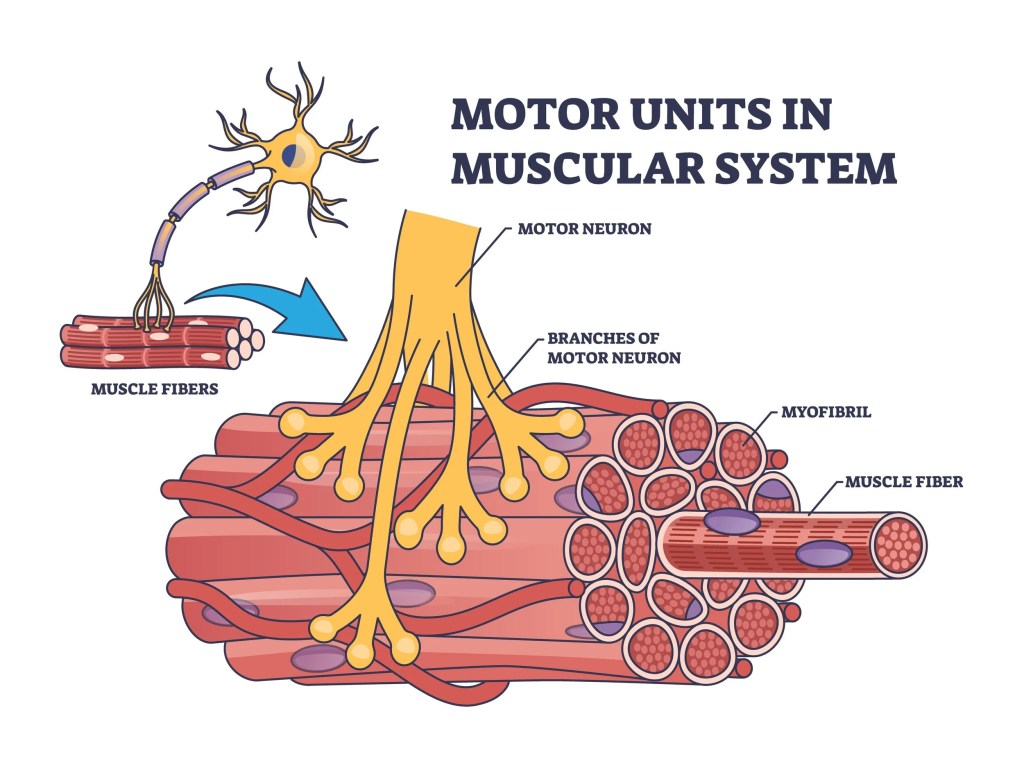
Needles are inserted directly where nerves enter & innervate the muscles. An electronic stimulator is used to trigger muscle contractions (local twitch responses). By electronically stimulating motor points, muscle re-activation occurs for inhibited muscles and tight/inflamed muscles will relax after stimulation.
Motor point stimulation increases range of motion, strength, and coordination by correcting muscle imbalances.
Electro-Acupuncture Stimulation
Initial and Followup Sessions
Overview
Using an electric stimulator device, mild electrical pulses are sent into the body via wires attached to acupuncture needles.
Low, medium or high frequencies are selected based on the nature of the injury, the type of tissue affected and whether the muscles are tight/contracted or weak/inhibited.
“Electroacupuncture” powerfully relieves pain and stimulates nerves & muscles. These frequencies are used to target muscles, tendons, neuromuscular junctions, ligaments, fascia and even bones.
I use electric stimulation on most needles that are used during a treatment because it has been shown to be superior to manual acupuncture by producing more widespread, stronger and consistent physiological effects
Myofascial Trigger Point "Dry Needling"
If Necessary...on Evaluation
Overview
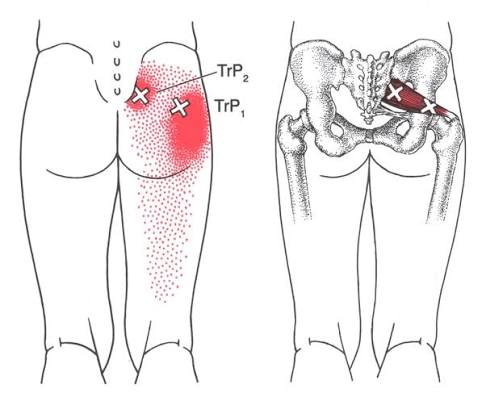
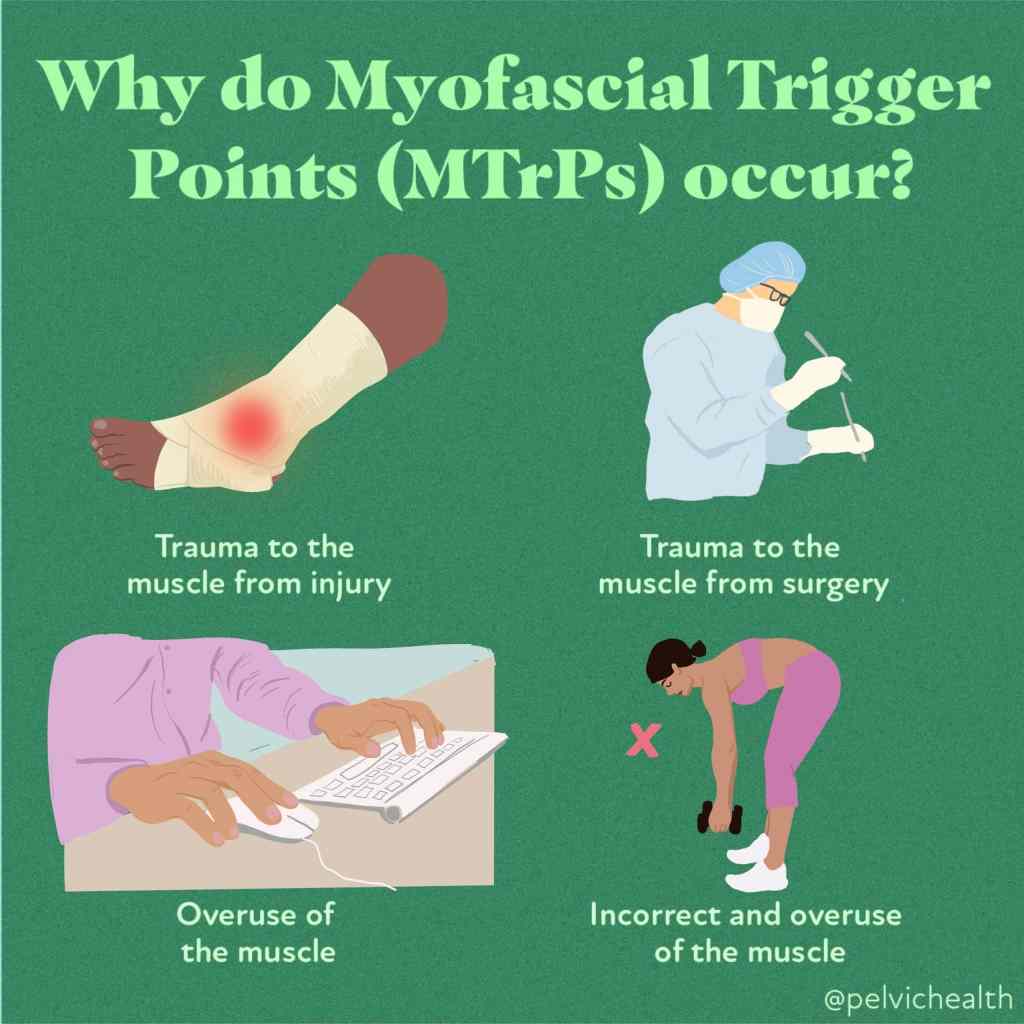
Needles are inserted into painful, knotted and irritated muscle “trigger points” in order cause a myofascial muscle twitch. Trigger points occur at predictable areas within muscles and are usually associated with referred pain. Insertion into trigger points forces the tight muscle fibers to release and elongate, increasing blood flow and flushing out metabolic irritants.
This action releases the muscle, resolves pain and helps to restore muscle function. The discovery and subsequent needling of trigger points often occurs after the initial treatment. Their presence often causes pain symptoms to remain unresolved even after motor point stimulation has occurred during the initial treatment.
Myofascial Release and Soft Tissue Mobilization
If Necessary...before or after Needling
Overview
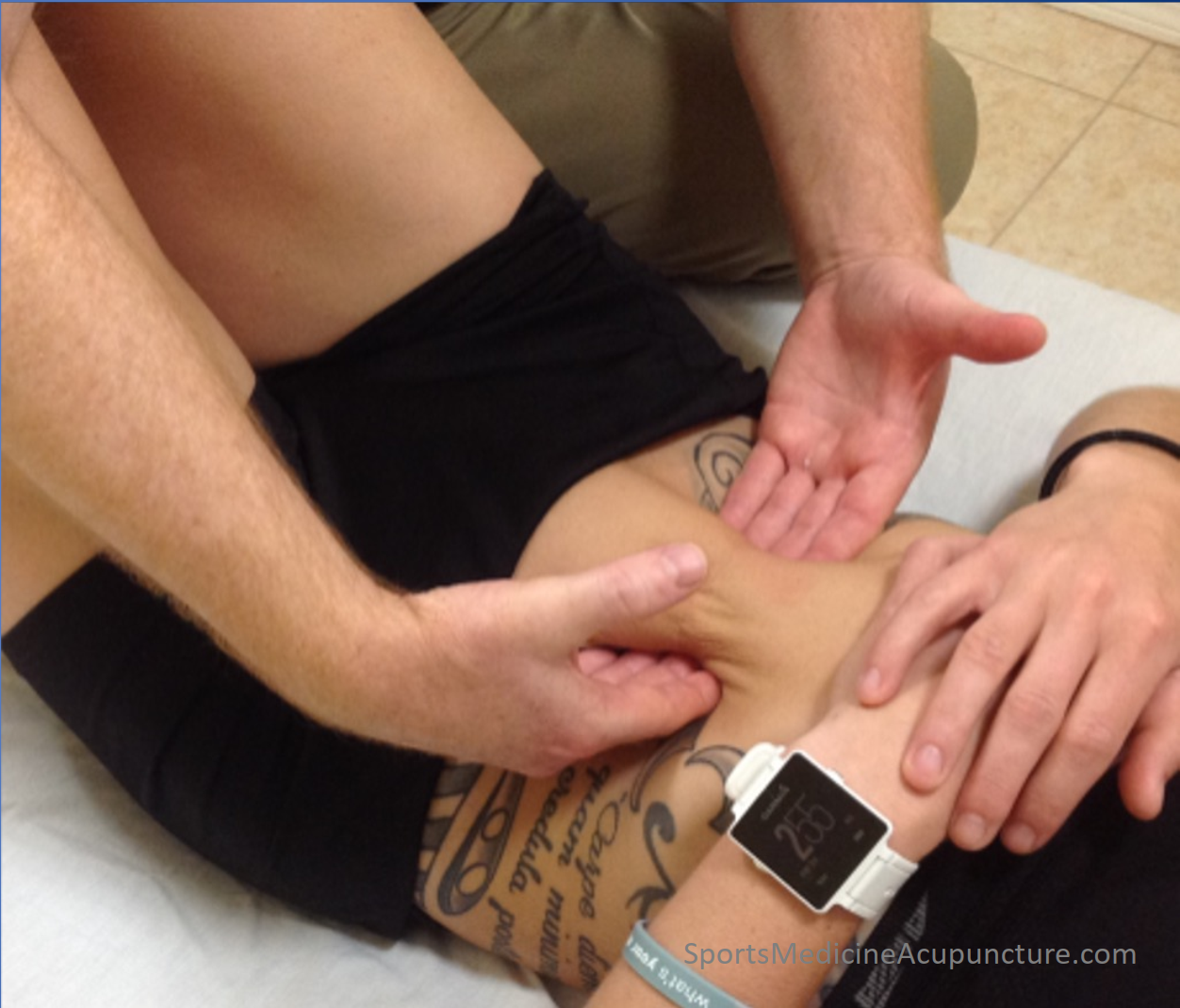
Myofascial Release (MFR) is a targeted therapy focusing specifically on the fascia, which is a web-like connective tissue wrapping around your muscles, bones, and organs. I use sustained, gentle, low-load pressure to allow restricted fascia to slowly elongate and release. MFR is great for releasing “trigger points” (knots), it smoothing tension, improving blood flow, and restoring flexibility.
Soft Tissue Mobilization (STM) uses stretching and deep pressure to break up rigid muscle tissue, relax muscle tension, and move fluids trapped in the tissues that cause pain and inflammation. STM is used to treat soft tissue injuries including muscle strains and sprains. STM may be used on typically tight muscles such as: the Psoas, Piriformis, SCM, upper Trapezius, pec major/minor and erector spinae.